

In a world that is more connected than ever, language is no longer just a school subject. It is a career tool, a social advantage, and a gateway to global opportunities. This is why learning French has moved from being optional to becoming a smart strategic decision for students, professionals, and entrepreneurs alike. Whether you are planning to work internationally, improve your employability, or simply communicate with more people around the world, knowing French opens doors that many people do not even realize exist.
French is spoken on five continents and used daily in diplomacy, international business, education, science, and culture. From Europe to Africa, from Canada to parts of Asia, being able to communicate in French places you in a position to compete globally rather than locally.
In this article, we will explore in detail why learning French is important, what skills it gives you, how it boosts your career, and the wider benefits of knowing French in today’s world.
Why Is Learning French Important in Today’s World?
Many people ask why learning French still matters when English seems to dominate global communication. The truth is that English alone is no longer enough in many industries. Knowing French gives you access to communities, markets, and institutions that actively prefer bilingual or multilingual professionals.
French is the official or working language of over 30 countries. It is one of the official languages of the United Nations, European Union, African Union, UNESCO, NATO, and the International Red Cross. When you are learning French, you are not just picking up vocabulary. You are positioning yourself to engage with global systems that shape politics, economics, and education.
In Africa alone, French is a major business and government language across West and Central Africa. Professionals who combine English with knowing French often earn higher salaries and are considered for leadership roles faster. Employers value candidates who can communicate across borders without relying on translators.
Another reason learning French is important is cultural access. French is the language of philosophy, literature, fashion, cuisine, and cinema. Many original texts and ideas lose meaning when translated. Knowing French allows you to experience these fields authentically rather than second hand.
How Learning French Boosts Your Career Opportunities
One of the strongest benefits of learning French is its direct impact on career growth. Employers across industries increasingly look for professionals who can operate internationally. Knowing French gives you a competitive edge in fields such as international business, diplomacy, education, tourism, aviation, and technology.
In multinational companies, bilingual employees are often chosen for international assignments, overseas projects, and leadership training programs. Understanding French allows you to communicate with clients and partners in Europe, Canada, and Africa without barriers. This builds trust faster and improves professional relationships.
For job seekers, knowing French increases the number of roles you qualify for. Many global job listings explicitly state French as a preferred or required skill. This is especially true for roles in international organizations, NGOs, foreign service, and multinational corporations.
Freelancers and remote workers also benefit from learning French. Content creators, consultants, and educators who know French can work with a wider client base and charge higher rates due to specialized language skills.
What Skills Does Learning French Give You?
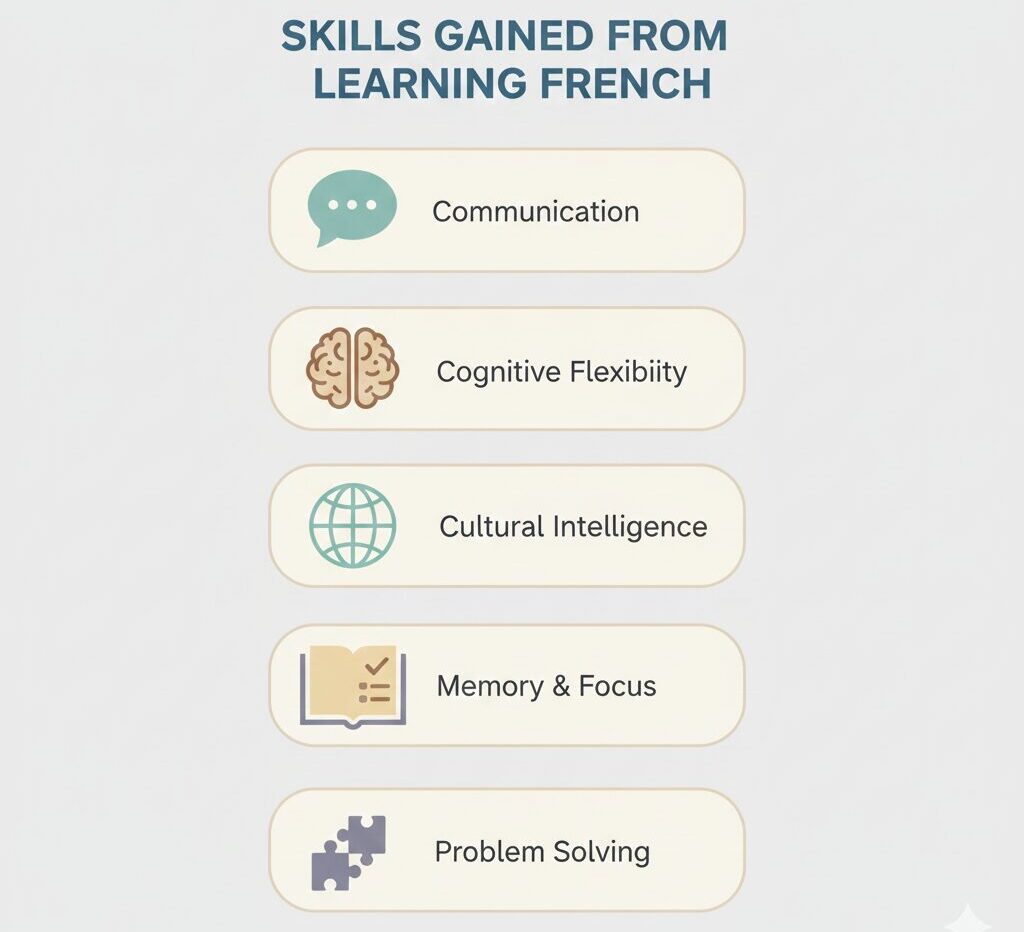
People often ask what skills learning French actually provides beyond speaking another language. The truth is that learning French builds a combination of practical, mental, and social skills that show up in everyday life, work, and study. Below is a clear breakdown of the key skills you gain and how they actually help you.
- Stronger communication skills
Learning French trains you to pay close attention to how meaning is expressed. French relies heavily on tone, structure, and context, so you learn to choose words carefully. This awareness carries over into your native language. People who are learning French often become better writers, clearer speakers, and more thoughtful listeners. You learn how to explain ideas step by step, clarify misunderstandings, and adapt your message depending on who you are speaking to. - Improved cognitive flexibility and problem solving
Knowing French strengthens how your brain processes information. Switching between languages forces the brain to make quick decisions, filter information, and adjust thinking patterns. This improves problem solving, mental agility, and the ability to handle complex tasks. It also helps you approach challenges from multiple angles rather than relying on one fixed way of thinking. - Higher cultural intelligence and social awareness
Learning French exposes you to different ways of thinking, interacting, and negotiating. You begin to understand how culture influences communication, decision making, and social norms. This skill is especially valuable in global workplaces, international classrooms, and multicultural teams. Understanding French helps you avoid cultural misunderstandings and build stronger relationships across borders. - Better memory, focus, and learning discipline
Language learning strengthens memory through vocabulary recall, grammar patterns, and listening practice. Learning French improves concentration because it requires sustained attention and consistency. Over time, this discipline transfers to other areas such as studying, professional training, and learning new skills faster.
In short, learning French develops skills that go far beyond language. It shapes how you think, communicate, and engage with the world.
Does Learning French Increase Salary Potential?
A common question on search engines is whether fluency in French actually leads to better pay. In many cases, the answer is yes. Knowing French often results in salary premiums, especially in international roles.
Companies are willing to pay more for employees who reduce communication barriers and expand market reach. In industries such as finance, consulting, logistics, and international trade, bilingual professionals frequently earn more than monolingual colleagues.
The ability to communicate in French also qualifies you for roles that include international allowances, travel opportunities, and overseas postings. These benefits increase total compensation beyond base salary. Even within local markets, knowing French can differentiate you from other candidates. Employers see bilingualism as evidence of discipline, adaptability, and global awareness.
Learning French and Global Mobility
Another major benefit of learning French is increased global mobility. French is widely spoken in Europe, Canada, and Africa, making it easier to relocate, study, or work abroad. Countries such as Canada actively value French speakers in their immigration systems. Knowing French can increase your points in skilled migration programs and improve your chances of permanent residency.
Students who are studying French can access scholarships, exchange programs, and study opportunities in French speaking countries. Many universities offer programs taught partly or fully in French, often at lower tuition costs compared to English programs.
Travel also becomes richer when you are fluent in French. You can navigate cities, understand local customs, and connect with people on a deeper level rather than relying on translations.

Why Employers Value Candidates Who Know French
Employers do not value language skills randomly. They value results. Learning French allows businesses to expand into new markets, communicate with international partners, and manage diverse teams.
When you know French, you reduce the risk of miscommunication. This saves time, prevents costly errors, and improves efficiency. In client facing roles, knowing French often leads to better customer satisfaction and stronger brand loyalty.
Employers also associate the ability to fluently communicate in French with strong learning ability. It signals that you can acquire complex skills, commit long term, and adapt to new environments. These traits are highly valued in leadership roles.
Learning French in the Digital and Tech Industry
Many people assume that learning French only matters in traditional fields like diplomacy or tourism. This is no longer true. It is increasingly valuable in the tech and digital economy.
French speaking countries are home to growing tech hubs, startups, and innovation centers. Companies in fintech, AI, and software development operate across language borders. Professionals who knows French can collaborate more effectively with international teams.
Tech documentation, research papers, and conferences are often available in French. Being able to communicate in French allows you to access resources that others miss. Remote work has also increased the demand for multilingual professionals. Knowing French expands your reach in the global freelance and startup ecosystem.
How Learning French Helps Students Academically
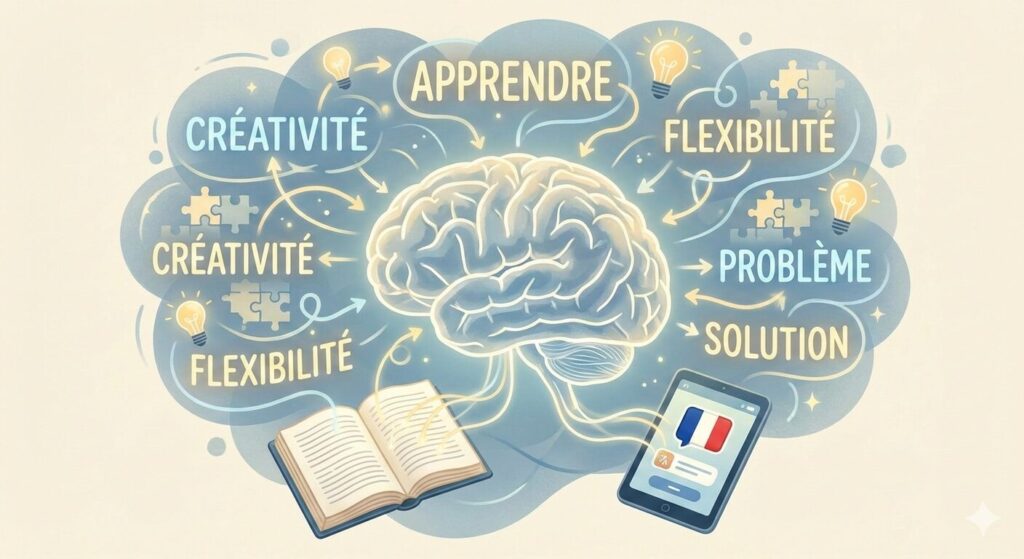
For students, learning French supports academic success beyond language classes. Bilingual students often perform better in reading comprehension, writing, and analytical thinking. Understanding French also supports learning other languages later. French shares vocabulary roots with English and other Romance languages. Once you know French, learning Spanish, Italian, or Portuguese becomes easier.
Students who are learning French also gain access to international academic networks. Many academic journals, conferences, and research collaborations operate in French.
Is Learning French Difficult for English Speakers?
One of the most searched questions is whether it is difficult to learn French. For English speakers, French is considered one of the easier languages to learn compared to many others. English and French share thousands of words due to historical influence. This makes vocabulary acquisition faster. Grammar structures may feel different at first, but with proper guidance, progress is steady.
Learning French becomes much easier when it is taught in a practical, structured way that focuses on real communication rather than memorization. With the right learning approach, consistent practice, and relevant examples, most learners reach conversational fluency faster than they expect.
If you want a structured approach, you can also explore our detailed guide on the best way to learn French, which breaks down beginner friendly strategies step by step:
Cultural and Social Benefits of Knowing French
Beyond career and education, learning French has a deep impact on how you relate to people and cultures. French is widely spoken across Europe, Africa, North America, and parts of the Caribbean, which means understanding French immediately widens your social world. When you can communicate in French, interactions stop feeling transactional and start feeling personal. You are no longer just visiting a place or meeting someone. You are participating in their everyday life.
Knowing French allows you to understand humor, idioms, and expressions that rarely translate well into English. Jokes, sarcasm, and cultural references make more sense when you understand the language behind them. This creates stronger social bonds because people feel more comfortable and respected when you speak their language. It often leads to deeper friendships, not just casual connections.
French culture also places a strong emphasis on conversation and thoughtful discussion. People are encouraged to express opinions, ask questions, and engage in debate respectfully. As you continue to learn French, you naturally become more confident in expressing ideas, defending viewpoints, and listening carefully to others. These social skills carry over into everyday interactions, making communication more intentional and meaningful.
Learning French also helps you better understand cultural traditions, values, and history. From food and festivals to art and social etiquette, language acts as a guide to cultural context. This understanding makes social interactions smoother and more enjoyable, especially when traveling or living abroad.
Learning French for Entrepreneurs and Business Owners
For entrepreneurs and business owners, learning French can directly influence growth and expansion. French speaking regions include fast growing economies with strong demand in sectors such as agriculture, technology, education, healthcare, and professional services. Entrepreneurs who are learning French are better positioned to explore these markets without language barriers slowing them down.
Knowing French allows business owners to communicate directly with suppliers, partners, and customers. This removes dependence on translators or middle agents, which often leads to clearer negotiations and fewer misunderstandings. Direct communication also builds trust, as partners tend to respond more positively when discussions happen in their own language.
It also improves negotiation skills. You gain insight into how business conversations are structured in French speaking cultures, including decision making styles and professional etiquette. This awareness helps entrepreneurs avoid costly mistakes and approach deals more strategically.
Marketing becomes more precise when you understand the language and cultural expectations of your audience. Learning French allows entrepreneurs to localize products, services, and messaging accurately. This goes beyond translation and includes tone, values, and cultural sensitivity, all of which influence buying decisions.
How Long Does It Take to Learn French?
One of the most common questions people ask is how long learning the French language actually takes. The answer varies because progress depends on your goals, learning approach, and how consistently you practice. Someone learning French for travel will progress differently from someone preparing for professional use.
Basic conversational ability can often be achieved within a few months of focused and guided study. This includes everyday conversations, simple reading, and basic listening comprehension. Learners who practice regularly tend to gain confidence faster than those who rely on occasional study.
Reaching a professional working level usually takes longer. This stage involves understanding complex conversations, writing clearly, and speaking confidently in formal settings. With consistent practice and real life exposure, many learners reach this level within one to two years.
Learning French is less about rushing and more about building habits. Regular listening, speaking, and reading make a noticeable difference over time. Learners who focus on meaningful use rather than perfection often progress more smoothly and retain what they learn for longer periods.
The Long Term Value of Knowing French
Learning French is not a short term achievement or a skill that fades quickly. It is a long term investment that continues to create opportunities and personal value over time. Once you begin learning French and reach a functional level, the benefits often grow rather than disappear. Below are key ways knowing French delivers lasting value.
- A skill that stays with you for life
Language skills are different from many technical skills that become outdated. Once you have invested time in learning French, it becomes part of your mental toolkit. Even if you are not using it daily, the foundation remains. With light practice, you can easily regain fluency years later. This makes learning French a permanent asset rather than a temporary advantage. - Adaptability across changing career paths
Careers today are rarely linear. People change roles, industries, and even countries. Knowing French allows you to adapt to these changes more easily. Whether you move into international work, education, consulting, or leadership roles, it keeps you flexible and competitive. It allows you to respond to global opportunities without starting from zero. - Relevance in a multilingual global economy
As businesses expand across borders, multilingual communication becomes more important. Knowing French helps you remain relevant as companies seek employees who can operate in diverse markets. It positions you ahead of others who rely on only one language in an increasingly multilingual world. - Stronger global networks over time
Learning French allows you to build relationships that last. Over the years, these connections can turn into career opportunities, partnerships, or collaborations. Language makes it easier to maintain these relationships and continue learning from people across different cultures. - Long term personal and intellectual growth
Beyond professional benefits, learning French supports lifelong learning. It keeps the mind active, curious, and open to new ideas. As you continue to engage with French media, culture, and conversations, your understanding of the world deepens naturally over time.
As global collaboration continues to expand, those who begin to learn French early often find themselves with advantages that compound rather than fade.
Conclusion
Learning French is more than adding a language to your resume. It is about expanding your worldview, increasing your career potential, and unlocking global opportunities. From better job prospects and higher earning potential to cultural understanding and personal growth, the benefits of multilingualism are far reaching.
In a competitive world, understanding French helps you stand out. It equips you with skills that employers value and experiences that enrich your life. Whether you are a student, professional, or lifelong learner, investing in learning French is a decision that continues to pay off.
Ready to Start Learning French With Educify?
If you are ready to take the next step, Educify is here to help. We offer structured, practical, and learner focused courses designed to help you learn French confidently and effectively. Alongside French, we also offer courses across different subjects to support your academic and career goals.














3 Responses