

Introduction
The world children are growing into is changing faster than school curriculums can keep up. Good grades still matter, but they are no longer enough on their own. Today, success depends on how well a child can think, adapt, communicate, and keep learning long after a classroom lesson ends. That is why parents and students alike are asking a more important question: what skills every child should learn before high school to stay prepared for future careers?
In this article, we focused on practical, teachable skills that shape how children learn, solve problems, use technology, and relate with others. These are not abstract ideas or trendy buzzwords but everyday abilities that can be built gradually at home, in school, and through intentional learning choices. When developed early, they make academic work easier and open doors to long term opportunities across many fields.
1. Learning How to Learn (Metacognition and Self-Directed Study)
One of the most overlooked yet powerful skills kids should learn before high school is how to actually learn. Many students struggle later not because subjects are hard, but because no one ever taught them how to study, reflect, and adjust their approach. Learning how to learn means a child understands what helps them retain information, what distracts them, and how to improve when they get stuck.

This skill shows up early when children are guided to think about their thinking. For example, after completing homework, a parent can ask what part felt easy, what felt confusing, and why. Over time, this builds awareness and confidence. Students who develop this habit early are more likely to adapt quickly when academic demands increase, which is why it is one of the most important skills every child should learn before high school.
Self-directed learning also prepares children for future careers where constant upskilling is expected. Whether it is learning a new language, picking up coding, or understanding financial concepts, children who know how to break tasks into steps and track progress learn faster and with less frustration.
Parents can support this by encouraging planning, reflection, and small goal setting instead of focusing only on grades. When a child understands how they learn best, school stops feeling overwhelming and starts feeling manageable, reinforcing why this remains one of the core skills every child should learn before high school.
2. Clear Communication Skills (Speaking, Writing, and Listening)
According to Robin Wunderkind, another essential entry on the list of skills every child should learn before high school is clear communication. This goes far beyond speaking confidently in class. It includes organizing thoughts, expressing ideas respectfully, listening actively, and adjusting communication based on context. These abilities shape academic success, relationships, and future workplace readiness.

Children who communicate clearly tend to ask better questions, explain their thinking more effectively, and collaborate without friction. In school, this shows up in presentations, group projects, and written assignments. Outside school, it affects how they advocate for themselves, resolve conflicts, and build friendships. That is why communication remains one of the most transferable skills every child should learn before high school.
Parents can help build this skill intentionally. Simple daily habits make a difference, especially when children are encouraged to explain their reasoning rather than just give answers.
Useful ways to develop communication skills include:
- Asking children to summarize what they learned that day in their own words
- Encouraging journaling or short opinion writing on topics they care about
- Practicing respectful disagreement during conversations
- Modeling good listening by not interrupting and asking follow-up questions
Writing deserves special attention because it sharpens thinking. When children learn to structure ideas clearly on paper, they also learn how to structure their thoughts mentally. This carries into subjects like science, history, and even mathematics. Strong communication supports leadership, collaboration, and confidence, which is why it is key among the most valuable skills every child should learn before high school.
Read Also: Active vs Passive Learning: Why Listening Isn’t Learning (But Doing Is)
3. Digital Literacy Beyond Social Media
Digital literacy is no longer about knowing how to scroll, post, or send messages. One of the most important skills every child should learn before high school is how technology actually works in everyday life, especially outside entertainment. Almost every modern career now assumes a basic level of digital fluency, whether the child becomes a doctor, entrepreneur, designer, or engineer.

At its core, digital literacy means understanding how information is created, shared, and sometimes manipulated online. Children should learn early that not everything they see online is accurate, complete, or safe. This includes knowing how search engines work, how ads are targeted, and how misinformation spreads.
Beyond information awareness, digital literacy also involves basic problem-solving with technology. Can a child troubleshoot when a file won’t open? Can they organize digital work properly? These small skills every child should learn build confidence and independence.
Parents can support this by teaching children how to research properly instead of copying the first result they see. Introducing productivity tools like document editors, calendars, and note apps early also helps. Most importantly, conversations about online responsibility should go beyond screen limits and focus on judgment, safety, and long-term consequences.
Read Also: How to Become a Web Developer: From Beginner to Job-Ready
4. Critical Thinking and Problem-Solving
Among the most transferable skills every child should learn before high school, critical thinking stands out. The future does not reward those who memorize fastest; it rewards those who can analyze, adapt, and reason.
In daily life, critical thinking looks simple but powerful. It shows up when a child asks “why” instead of memorizing an answer, or “how” instead of waiting to be told what to do. It appears when they evaluate options, compare outcomes, and resist rushing to conclusions.
Problem-solving becomes less intimidating when children learn to see challenges as solvable rather than threatening. This mindset shift matters more than any single academic concept.
At home, parents can develop this skill by asking open-ended questions instead of giving instant solutions. Discuss real-life problems together, from planning a family event to resolving small conflicts. Encourage children to explain their reasoning, even when their answers are not perfect. Speed should never be praised more than clarity of thought.
5. Financial Awareness and Money Sense
Many adults struggle financially not because they lack intelligence, but because they were never taught how money works early enough. Financial awareness is one of the most overlooked skills every child should learn before high school.

Children should understand the basics of earning, saving, spending, and value long before they earn a salary. They need to grasp the difference between needs and wants, and how small choices affect future options. These lessons build responsibility and reduce impulsive behavior later in life.
Practical teaching works best here. Simple budgeting with allowances helps children see money as a tool, not a mystery. Conversations around spending decisions, even grocery shopping, can become learning moments. Giving age-appropriate financial responsibility builds confidence without pressure.
The goal is not to turn children into accountants, but to help them develop a healthy, realistic relationship with money before real financial stakes appear. This is why it one of the major skills every child should learn.
6. Emotional Intelligence and Self-Regulation
Academic ability alone does not guarantee success. Emotional intelligence is one of the most essential skills every child should learn before high school because careers often stall due to poor emotional control, not lack of talent.

Emotional intelligence shows up when a child can manage frustration, handle feedback without shutting down, and work with others respectfully. These set among other skills every child should learn shape relationships, leadership ability, and long-term resilience.
Teaching this starts with naming emotions. Children who can identify what they feel are better equipped to manage it. Parents also play a major role by modeling calm responses under stress. Children learn more from what they observe than what they are told.
Instead of avoiding conflict, children should be taught how to resolve it constructively. This builds confidence, empathy, and communication skills that matter far beyond school.
7. Time Management and Personal Responsibility
Independence does not begin at adulthood. One of the practical skills every child should learn before high school is how to manage time and take responsibility for their actions. This includes planning tasks, meeting deadlines, and understanding consequences. These habits directly affect academic performance, work ethic, and self-discipline.
Parents can support this by introducing simple schedules and encouraging ownership of schoolwork. Gradual independence matters more than micromanagement. Allowing children to experience small consequences helps them learn accountability in a safe environment.
Time management is not about pressure. It is about helping children understand structure, priorities, and follow-through.
8. Creativity and Adaptability

As automation increases, creativity becomes more valuable. One of the future-facing skills every child should learn before high school is the ability to think flexibly and adapt to change. Creativity here does not mean artistic talent alone. It means trying new approaches, experimenting with ideas, and staying open when plans shift. These traits help children thrive in unpredictable environments.
Parents can nurture creativity through open-ended projects, creative hobbies, and allowing exploration without rigid outcomes. When children are not afraid to fail, they learn faster and think deeper.
Adaptability grows when children are exposed to variety and encouraged to reflect on what worked and what did not.
Read Also: 5 Easy DIY Art Projects That Teach Kids Creativity & Focus
9. Collaboration and Social Skills
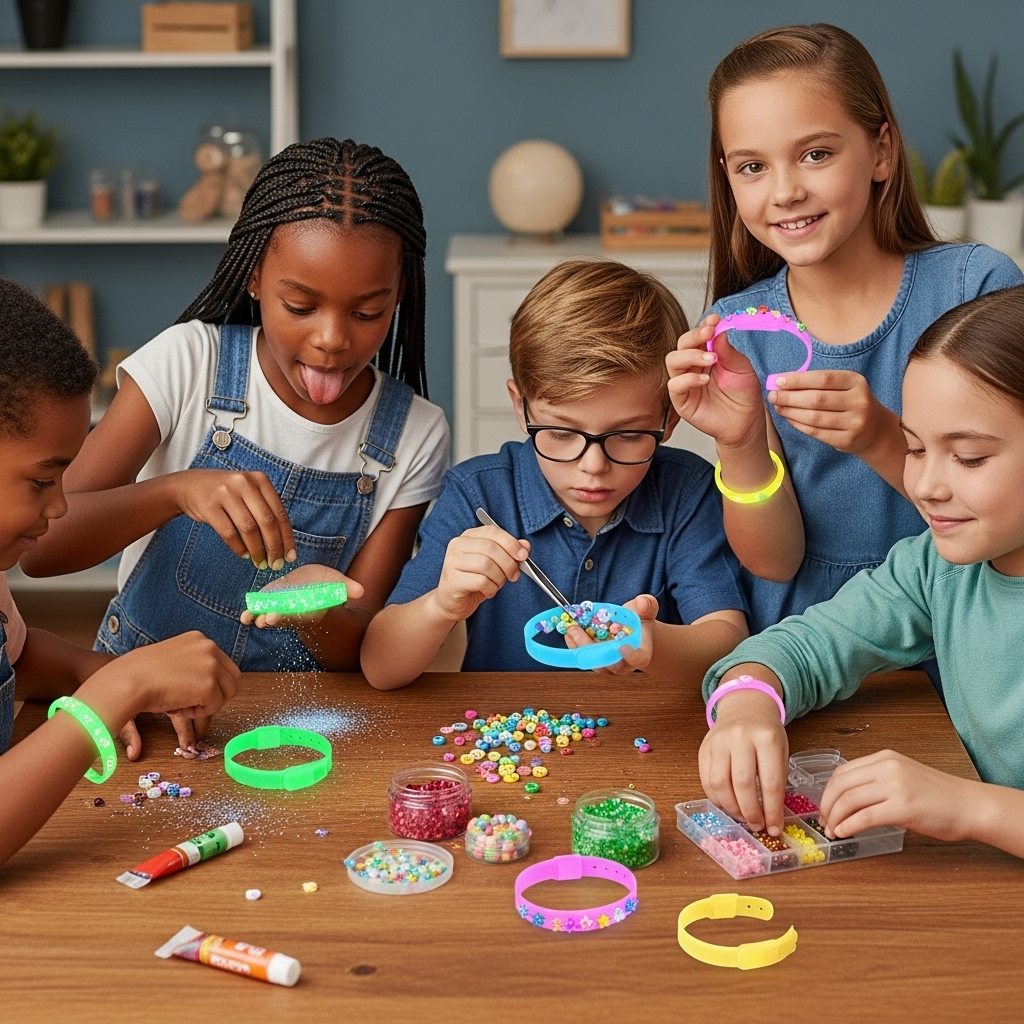
Most careers are team-based, making collaboration one of the core skills every child should learn before high school. Strong collaboration involves listening, clear communication, and respect for different viewpoints. These skills are built through group activities, team problem-solving, and shared responsibilities.
Healthy cooperation teaches children that success does not always mean being the loudest or fastest. Parents can reinforce this by valuing teamwork over competition alone and discussing how different strengths contribute to shared goals.
10. Career Awareness and Curiosity
Children make better educational and life choices when they understand what is possible. Career awareness is one of the guiding skills every child should learn before high school because it connects learning to real life.
This involves exposure to different careers, understanding skill pathways, and seeing education as purposeful. Conversations about work, exploring subjects beyond the school curriculum, and encouraging curiosity all help children see relevance in what they learn.
Curiosity fuels motivation. When children understand how things work, learning becomes meaningful rather than forced.
Conclusion
The skills every child should learn before high school are not optional extras; they shape confidence, adaptability, and long-term success. Early exposure compounds over time, making learning easier and choices clearer. Parents do not need to do everything at once. Small, consistent actions matter more than perfection. When children build strong foundations in thinking, emotional awareness, responsibility, and curiosity, they are better prepared for both education and life beyond school.
Enroll Your Child at Educify! 📝📚
Ready to help your child build essential skills? Explore our wide range of subjects with structured lessons led by qualified tutors across the US and Canada.
Enroll today and give your child the guidance and support they need to thrive academically and beyond.