
Introduction
Choosing the best piano for beginners is one of the most important early decisions parents make when enrolling a child in piano lessons. The right instrument does more than produce sound. It shapes technique, posture, confidence, and long-term interest in music. Yet many parents feel overwhelmed by options, price ranges, and conflicting advice online. Some are unsure whether an acoustic piano or a digital piano keyboard is suitable for home practice, while others worry about buying the wrong thing and slowing their child’s progress.
This guide is written specifically for parents of beginner piano students. It breaks down practical choices, explains what truly matters for learning, and helps you confidently choose a piano that supports steady progress, effective practice, and enjoyable lessons at home.
Why Home Practice Quality Matters for Beginner Piano Students
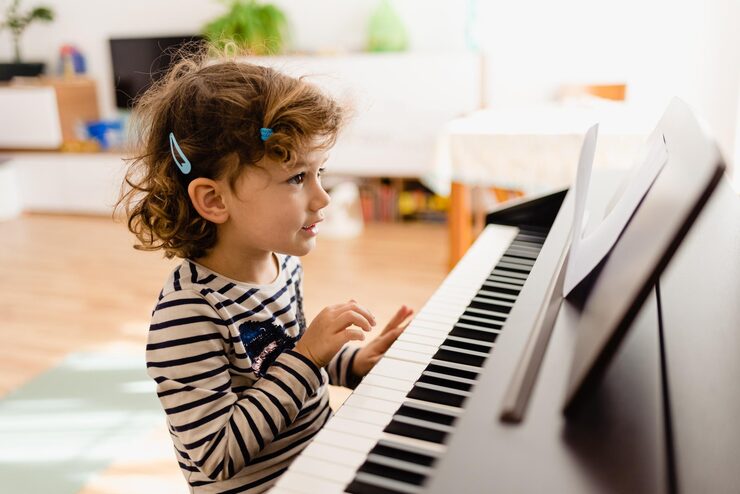
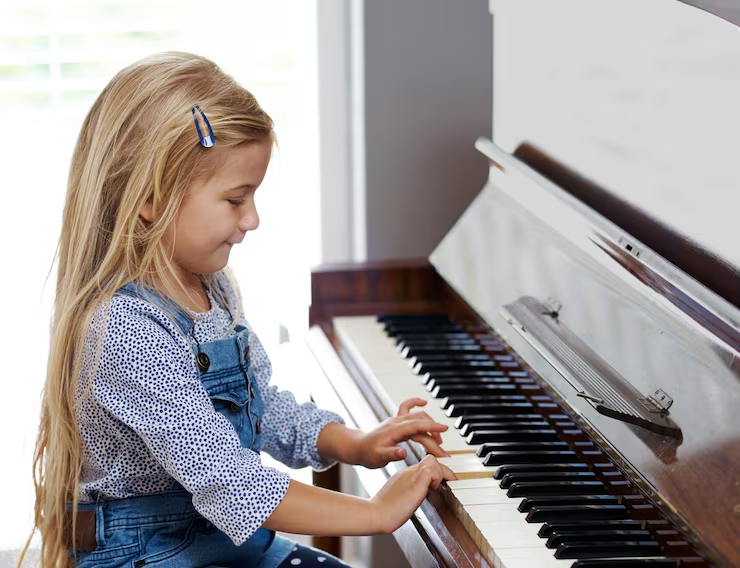
For beginner piano students, what happens at home matters just as much as what happens during lessons. A well-chosen piano supports correct hand shape, finger strength, and sitting posture from the start. When a child practises on a responsive instrument, they learn how much pressure to apply to the keys and how to control sound, which builds good technique naturally.
Sound quality also plays a big role in motivation. Children are more willing to practise when the music they produce sounds clear and pleasant. Poor-quality instruments often produce uneven sound and stiff keys, which can frustrate beginners and slow progress. This is why choosing the best piano for your child is not about luxury but about creating the right learning environment at home.
Understanding the Two Main Piano Options for Beginners
When it gets to the search for the best piano for beginners, most options fall into two broad categories: acoustic pianos and digital pianos. While there are many models and brands, nearly every home practice setup is built around one of these two choices. Understanding this distinction helps you avoid buying instruments that look appealing but do not support real piano learning.
Acoustic pianos produce sound mechanically using hammers and strings, while digital pianos create sound electronically using sampled recordings. Each option suits different home environments, budgets, and lifestyles. Space, noise levels, maintenance, and long-term goals all influence which piano fits a family best. Knowing how these two piano types differ makes it easier to choose an instrument that supports steady progress and enjoyable practice for beginner students.
Read Also: How To Learn Piano Yourself With No Stress: A Step by Step Guide for Beginners
Acoustic Piano: Is It the Best Piano for Kids at Home?
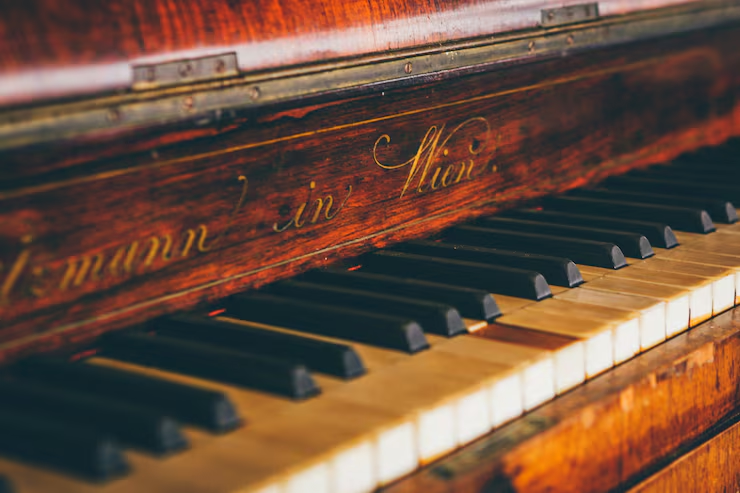
An acoustic piano is the traditional instrument many parents imagine when thinking about piano lessons. For some families, it truly is the best piano for beginners, but it depends on space, budget, and commitment to maintenance.
What an acoustic piano is
- Produces sound through hammers striking real strings
- Responds naturally to finger pressure and dynamics
- Offers a playing experience that builds strong technique
Upright vs grand piano for children
- Upright pianos are more practical for home use
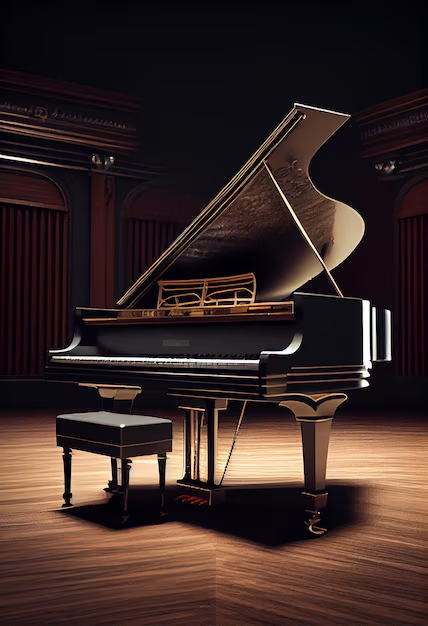
- Grand pianos take more space and are rarely necessary for beginners
- Uprights still provide excellent sound and key response
Pros of an acoustic piano
- Rich, authentic tone that motivates practice
- Excellent for developing finger strength and control
- Long lifespan when properly maintained
Cons of an acoustic piano
- Higher upfront cost
- Requires regular tuning and maintenance
- Heavy and difficult to move
- Can be noisy in shared living spaces
When an acoustic piano makes sense
- Enough space at home
- Budget allows for purchase and upkeep
- Neighbours and noise are not an issue
Digital Piano Keyboard: A Practical Choice for Beginner Learners
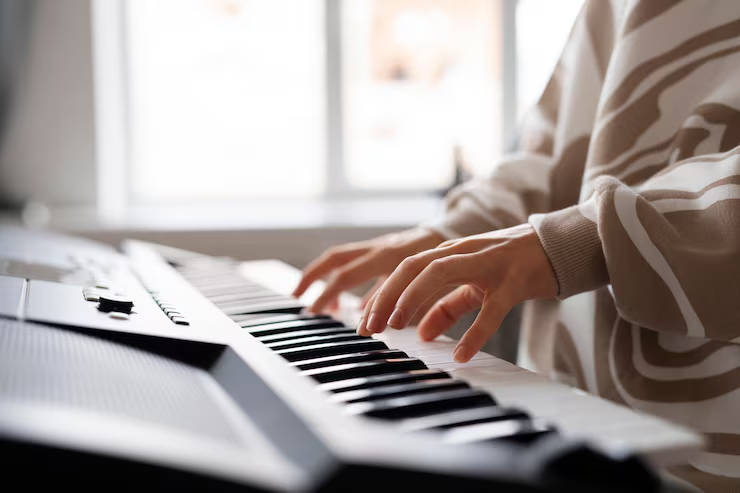
For many modern families, a digital piano keyboard is often the best piano for beginners, especially for home practice. Advances in technology have made digital pianos far more realistic than earlier models.
What a digital piano offers beginners
- Digitally sampled sounds from real acoustic pianos
- Consistent tone that helps beginners recognize correct notes
- Built-in features that support structured practice
How digital pianos imitate acoustic sound and feel
- Weighted keys simulate the resistance of an acoustic piano
- Touch sensitivity allows louder or softer playing based on finger pressure
- Pedal functions recreate sustain and expression
Pros of digital pianos for children
- No tuning or regular maintenance required
- Compact size fits easily into most homes
- Headphone option allows quiet practice
- Often more affordable than an acoustic piano
Cons of digital pianos
- Lower-quality models can feel unrealistic
- Sound projection is different from an acoustic piano
- Technique development may suffer on very cheap keyboards
Why many teachers recommend digital pianos
- Reliable for daily practice
- Easy to control volume and learning environment
- Ideal stepping stone before upgrading to an acoustic piano
Key Features to Look for When Choosing Piano
Choosing the best piano for your child isn’t just about picking acoustic or digital; certain features make a huge difference in comfort, technique, and progress. Here’s what parents should consider:
Number of keys
- Look for 88 keys, the full piano range.
- Fewer keys limit repertoire and technique development.
Fully weighted keys and touch sensitivity
- Simulates the feel of an acoustic piano.
- Encourages proper finger strength and control.
- Some digital pianos have graded weights to mimic the heavier lower notes of acoustic pianos.
Pedals
- At least two pedals are recommended: sustain and soft.
- Pedals teach expression and dynamic control.
- Digital pianos should have pedals attached to the stand, not floating.
Stand requirements
- Furniture-style stands are more stable than X- or Z-style stands.
- Stability prevents wobbling during practice, which can affect technique.
Sound quality and durability
- Good sound keeps children motivated.
- Durable keys and construction ensure the piano lasts through daily practice.
- For digital pianos, higher-end brands better mimic acoustic tone.
These features combined ensure your child can learn piano effectively at home while developing proper technique and enjoying the music.
Read Also: How to Play Guitar for Beginners: Practical Steps That Actually Works
Which Piano Is Best for Kids: Acoustic or Digital?
When deciding on the best piano for beginners, parents often wonder whether an acoustic or a digital piano is better. Here’s a practical comparison:
Acoustic Piano
- Pros: Authentic sound and feel; encourages proper technique; lasts a lifetime if maintained.
- Cons: Expensive upfront; requires space; needs regular tuning; can be heavy and hard to move.
- Best for: Families with space, budget, and commitment to long-term piano learning.
Digital Piano
- Pros: Affordable; compact; headphones for silent practice; low maintenance; replicates weighted keys.
- Cons: Feel and sound differ slightly from acoustic; very low-quality models may affect technique.
- Best for: Beginners in apartments, small homes, or families starting piano lessons without committing to a large instrument.
Other factors to consider:
- Budget: Digital pianos generally cost less upfront and avoid ongoing tuning costs.
- Noise: Digital pianos allow silent practice with headphones, ideal for shared living spaces.
- Teacher guidance: Many instructors recommend starting on a good digital piano if an acoustic is impractical, then upgrading later.
Ultimately, both options can be excellent for children. The best piano for beginners is the one that balances sound, feel, space, and budget while supporting proper technique.
Accessories That Support Proper Piano Learning at Home
Choosing the best piano isn’t just about the instrument itself—accessories play a big role in ensuring your child develops good technique and practices comfortably.
Adjustable Piano Bench
- Supports proper posture and hand positioning.
- Adjustable height ensures your child’s arms are parallel to the keyboard.
- Helps maintain comfort during longer practice sessions.
Footstool
- Essential if your child’s feet don’t fully reach the floor.
- Provides stability and encourages proper sitting posture.
- Can be a simple, sturdy box or a commercially available adjustable stool.
Pedals
- Even beginner pianos benefit from at least a sustain pedal.
- Helps students learn pedal coordination early.
- Digital pianos often come with attached pedals; acoustic pianos have built-in pedals.
Other Helpful Accessories
- Music stand for proper sheet placement.
- Metronome or digital timer to encourage consistent practice.
- Quality headphones for digital pianos to allow silent practice.
Proper accessories can enhance enjoyment, technique, and confidence. Even the best piano for beginners won’t reach its full potential without the right setup at home.
Read Also: Top 10 Musical Instruments Your Child Should Know How To Play
Common Mistakes Parents Make When Buying a Beginner Piano
Even with the best intentions, parents sometimes make choices that unintentionally slow a child’s progress. Being aware of these pitfalls can save time, money, and frustration.
1. Prioritizing Price Over Quality
- Cheaper keyboards may be tempting, but poor touch response can hinder technique.
- Investing in a quality digital piano keyboard or acoustic piano pays off in the long run.
2. Buying Mini-Key or Toy Keyboards
- Smaller keys prevent proper hand development.
- Students struggle when transitioning to standard 88-key pianos.
3. Ignoring Teacher Recommendations
- Piano teachers know which instruments suit beginners best.
- Consult your child’s teacher before making a purchase.
4. Overlooking Posture and Setup
- Even the best piano for beginners won’t help if seating and pedals are incorrect.
- Adjustable benches and footstools are essential for comfort and correct posture.
5. Neglecting Maintenance and Longevity
- Acoustic pianos need regular tuning; digital pianos require occasional updates and care.
- Planning for maintenance ensures a lasting, playable instrument.
Being mindful of these mistakes will help you as a parent choose a piano that truly supports your child’s early learning and growth.
Final Advice
Choosing the best piano for your kids is more than picking a brand or style, it’s about supporting your child’s growth, enjoyment, and skill development. Match your choice to their age, learning stage, and home environment.
- Acoustic pianos are ideal if space, budget, and maintenance aren’t barriers, offering authentic sound and touch.
- Digital piano keyboards provide flexibility, quiet practice, and affordability, especially for younger children or shared spaces.
- Always consult your child’s teacher before purchasing to ensure the piano suits their needs.
Remember, upgrading isn’t urgent; focus first on building consistent practice habits. Proper accessories like adjustable benches and footstools ensure comfort and correct posture, helping your child progress faster and more confidently.
Learn Piano with Us at Educify 🎹🎹
Enroll your child in our piano programs today to combine the right instrument with structured lessons from qualified tutors across the US and Canada. Structured guidance, expert teachers, and a quality piano setup make learning enjoyable and effective.










One Response